
Knoxville Relocation Playbook For Out-Of-State Buyers
May 14, 2026
May 14, 2026
Thinking about buying a home in Knoxville from another state can feel like trying to solve a puzzle from hundreds of miles away. You are likely balancing timelines, budget questions, virtual tours, and the pressure of choosing the right area without knowing every street firsthand. The good news is that Knoxville is a practical market for relocation buyers when you know what to check and how to narrow your options. Let’s dive in.
If you are moving from a faster or more expensive market, Knoxville may feel more approachable than you expected. Recent housing trackers describe Knoxville as balanced to somewhat competitive instead of extremely overheated.
That matters because a balanced market can give you more room to make thoughtful decisions. Recent reports placed Knoxville’s median sale price in the low-to-mid $300,000s depending on the source and time frame, with one March 2026 tracker reporting 62 median days on market. The exact figures vary by methodology, so it is best to treat them as general context rather than a single fixed price point.
For you as an out-of-state buyer, the takeaway is simple: you may not need to rush blindly, but you do need a clear plan. A smart relocation strategy starts with your lifestyle, budget, and daily routine, not just the listing photos.
One of the biggest mistakes relocation buyers make is searching by city name alone. In Knoxville, it is often more useful to think in terms of corridors, sectors, and community type.
That approach gives you a more realistic picture of how you might live day to day. Your commute, tax bill, housing style, and access to parks or services can vary a lot depending on where you land.
If you want a more urban setting, the city’s Central City areas include neighborhood groups such as Historic Fourth and Gill, Old North Knoxville, Mechanicsville, and Parkridge. These areas can appeal to buyers who want quicker access to downtown, established street grids, and older housing stock.
When you explore central areas, focus on property condition, lot size, parking, and renovation history. Older homes can offer character, but remote buyers should be especially careful about disclosures, inspections, and any past work done without permits or code compliance.
West Knoxville and Northwest City include areas such as Bearden Village, Kingston Pike-Sequoyah Hills, West Hills, Westmoreland, Westmoreland Hills, and Westwood. Many out-of-state buyers look here first because these areas are well known and offer a broad mix of home styles, established neighborhoods, and access to major roads.
This part of Knoxville is not one-size-fits-all, though. One street may feel more connected to shopping and daily errands, while another may feel more residential and tucked away, so it helps to compare specific homes by commute and lifestyle needs.
The Northwest County sector includes communities such as Hardin Valley, Cedar Bluff, Karns, Amherst/Hines Valley, and Solway. Knox County planning documents note substantial residential and commercial development pressure in this area.
For relocation buyers, that can mean newer housing options, ongoing growth, and a different pace of development than older parts of Knoxville. It can also mean you need to pay close attention to road access, construction activity, and how a specific property fits your long-term plans.
Farragut is its own town and has a distinct identity within the Greater Knoxville area. According to the town’s official facts, Farragut has just over 23,500 residents, covers 16.2 square miles, has more than 15 miles of greenway trails and five parks, sits near I-40 and I-75, and does not collect municipal property tax.
That last point often gets a relocation buyer’s attention. Even so, you should still verify the full tax picture for any specific property rather than assuming one area will always cost less overall.
Your home price is only part of your relocation budget. Property taxes, sales tax, closing logistics, and move-in costs can all shape what feels affordable once you are actually living here.
The City of Knoxville lists a city property tax rate of $2.1556 per $100 of assessed value and a county rate of $1.5540 per $100 of assessed value. Knox County also states that residential property is assessed at 25 percent of appraised value, and the current local sales tax rate is 9.25 percent.
The safest move is to verify the tax bill for the exact property you want to buy. For relocation buyers comparing Knoxville city addresses, county locations, and Farragut, that address-level check is much more useful than relying on broad averages.
If school assignment matters to your move, do not rely on a neighborhood name, subdivision label, or what someone says is “usually” assigned. Knox County Schools states that students generally attend the school in the zone where their legal parent or guardian resides unless they receive an approved transfer.
The district also notes that transportation is generally not provided for transfer students. That means even when a transfer is possible, it may not work the way your household needs it to.
KGIS provides a school-zone search tool, but its own disclaimer says the data are reliable but not guaranteed. The practical takeaway is clear: always confirm the exact address before you write an offer or remove contingencies.
Buying from out of state does not mean buying blindly. It means you need a stronger process.
A good relocation plan should include live video tours, detailed questions about layout and surroundings, a review of the seller’s disclosure, and an independent inspection. Each step gives you a different piece of the picture.
Tennessee’s Residential Property Disclosure Act requires most sellers of residential real estate to complete a disclosure statement. The state says that disclosure should address known defects or malfunctions, environmental hazards, encroachments, flood or drainage issues, and remodeling completed without permits or code compliance.
For you, this is a valuable starting point, especially when you cannot visit a property multiple times. Still, a disclosure is only the seller’s statement of known issues, not a guarantee that the home is problem-free.
The Tennessee Department of Commerce and Insurance says a home inspection is not required by law before a purchase, but it is a good idea because it helps buyers understand the home’s current condition. Inspectors provide a visual evaluation and are independent from the real estate agent or mortgage lender.
That independence matters when you are buying remotely. Tennessee guidance also notes that if an inspection uncovers needed repairs, buyers may be able to cancel their bid and negate the contract, which makes inspection protection especially important for out-of-state buyers.
If you are touring by video, ask questions that go beyond the finishes. A beautiful kitchen matters, but so does the view from the front door, the slope of the yard, the sound level outside, and the condition of spaces that photos often skip.
A useful virtual tour checklist includes:
One reason Knoxville can work well for relocation buyers is that Tennessee allows remote online notarization. The Secretary of State says this process uses two-way video and audio, and the signer does not need to be physically present with the notary.
That can make a long-distance closing much easier. Even so, you should confirm early that your lender, title company, and notary workflow all support remote notarization so there are no surprises near closing day.
Utility planning is one of the easiest ways to reduce relocation stress. KUB provides electric, gas, water, wastewater, and fiber services to nearly 520,000 customers in Knoxville, Knox County, and parts of seven surrounding counties.
KUB also allows buyers to check service availability online by parcel ID or address and start service online, with one business day notice. For a buyer moving from out of state, that makes utility setup a smart task to complete before closing or immediately after your move-in date is confirmed.
When you are comparing homes from afar, clarity beats speed. A repeatable process helps you avoid expensive guesswork.
Use this simple framework as you narrow your search:
A relocation move always comes with unknowns, but it does not have to feel chaotic. With local guidance, strong due diligence, and a clear system, you can make a confident move to Knoxville without feeling like you are flying blind.
If you are planning a move and want responsive, local support with virtual tours, neighborhood insight, and a smooth buying process from afar, connect with Krista Freshour.
Stay up to date on the latest real estate trends.
Explore East Tennessee
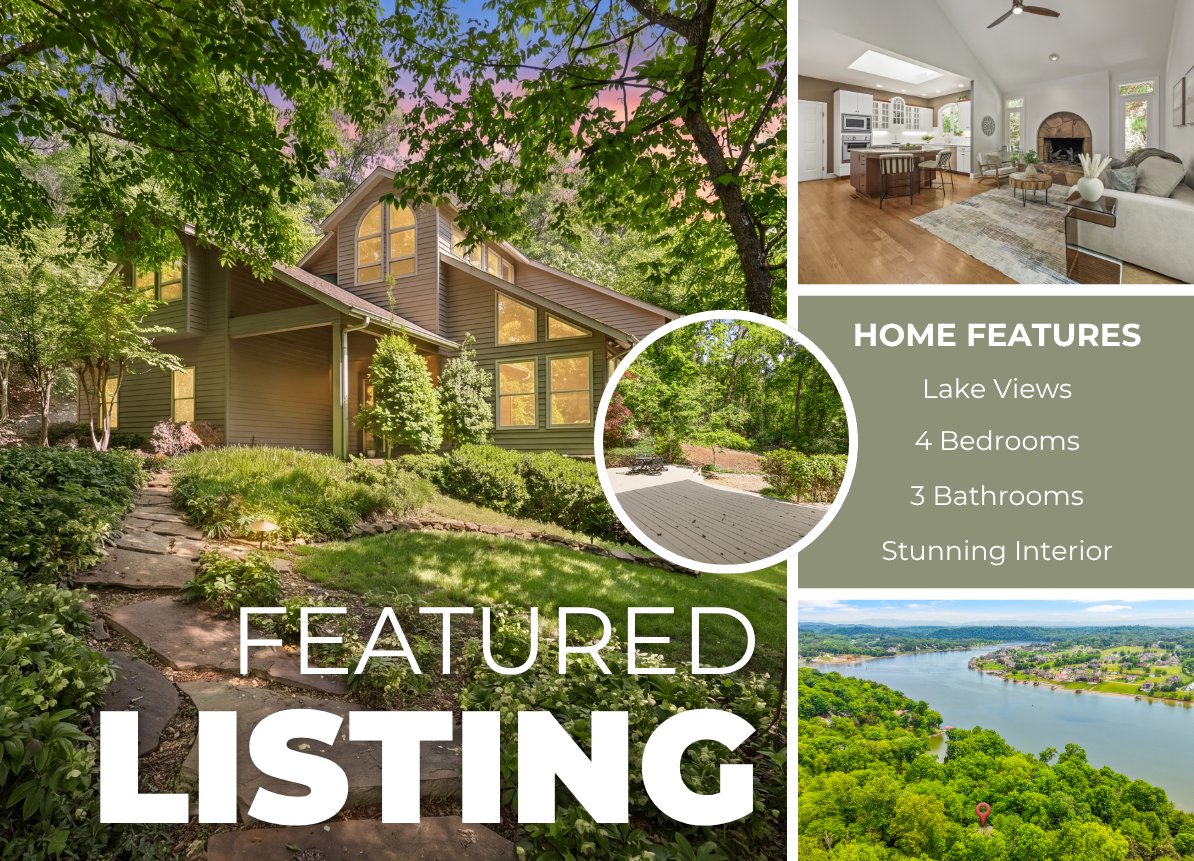
Stunning Lake View Property
Whether you're looking to buy, sell, or invest, her expertise and resources are here to help you achieve your goals. Connect with her today and discover how Krista can support you!