Downtown Knoxville Rental Market Guide For Local Investors
May 21, 2026
May 21, 2026
If you are thinking about buying a rental in Downtown Knoxville, the big question is simple: will the numbers work? This part of Knoxville has strong demand, premium rents, and real long-term appeal, but it also comes with higher purchase prices and tighter margins than many investors expect. In this guide, you will get a practical look at rents, demand drivers, property types, and local rules so you can weigh opportunities with a clearer lens. Let’s dive in.
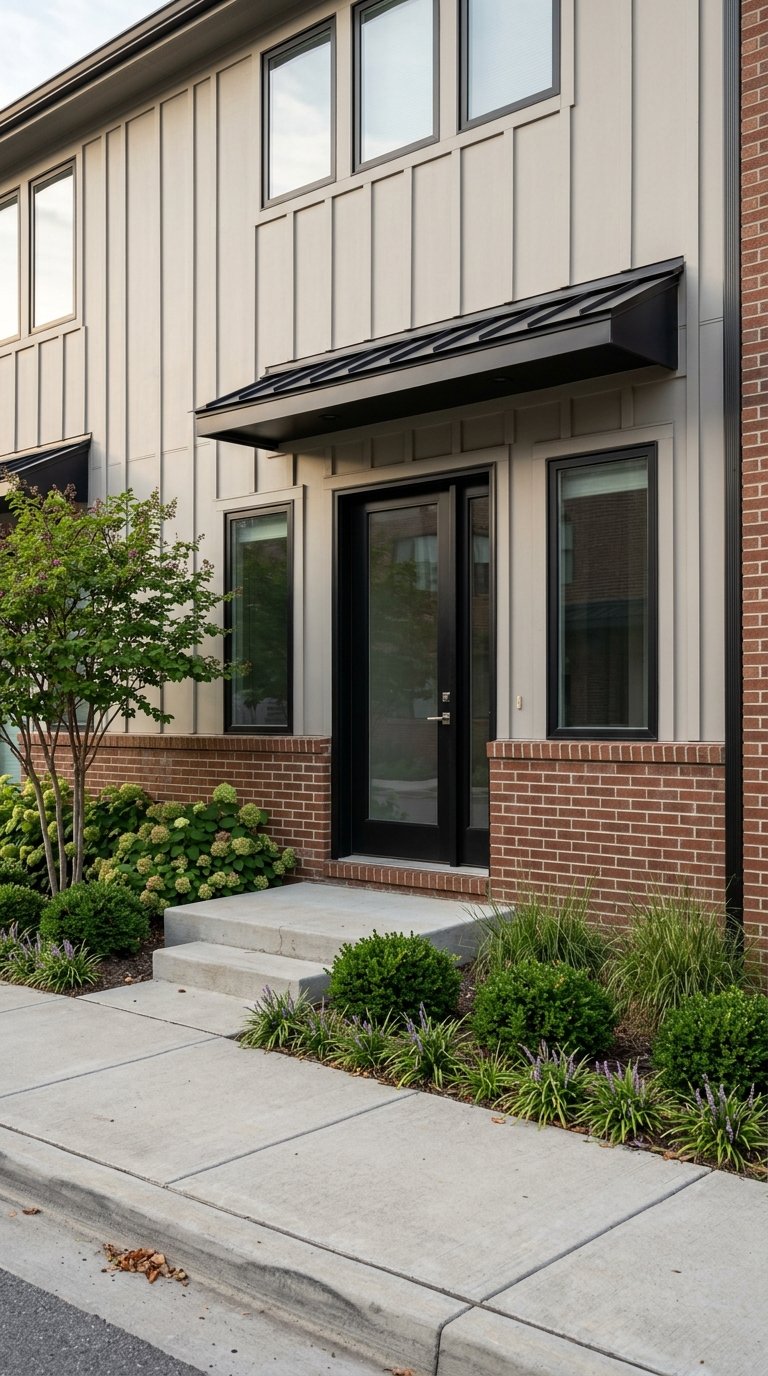
Downtown Knoxville is a small but active urban core of about 0.67 square miles. The district includes areas such as Market Square, Gay Street, the Old City, Volunteer Landing, and nearby riverfront blocks. That compact footprint helps create the kind of walkable lifestyle many renters are willing to pay more for.
The amenity base is a major part of the story. Downtown Knoxville promotes more than 100 dining options and more than 60 rooftop and patio spots, giving renters easy access to restaurants, entertainment, and public gathering spaces. For investors, that means location value is tied not just to the unit itself, but also to the everyday convenience around it.
Another major demand driver is the University of Tennessee. UT Knoxville enrolled 40,421 students in Fall 2025 and employs 11,025 faculty, staff, and service employees. With Market Square sitting minutes from campus, downtown remains a natural option for people who want a shorter commute and a more connected lifestyle.
Downtown also continues to benefit from new investment and redevelopment momentum. Yardi Matrix highlighted Covenant Health Park as a development catalyst helping anchor redevelopment east of downtown. That does not guarantee every property will perform the same way, but it does support the broader case for sustained renter interest in the area.
Downtown Knoxville is one of the premium rental submarkets in the broader Knoxville area. As of May 2026, Apartments.com reports average rents of $1,345 for a studio, $1,676 for a one-bedroom, $2,362 for a two-bedroom, and $2,733 for a three-bedroom. RentCafe reports an overall average downtown apartment rent of $2,146, while Yardi Matrix says Knoxville-Downtown asking rent reached $1,911 through February 2026, up 11.2% year over year.
These numbers vary because each source tracks the market a little differently. Some data leans more heavily toward apartments, some toward asking rents, and some toward broader averages across available inventory. Still, the overall takeaway is clear: downtown rents sit above the broader Knoxville market.
That premium shows up in active listing examples too. Zillow’s downtown rental feed includes one-bedroom listings at $1,880 and $2,325, plus a two-bedroom listed at $2,975. By comparison, Zillow lists the citywide Knoxville average rent at $1,762, which reinforces just how much of a premium downtown can command.
Strong rents matter, but occupancy matters just as much. Yardi Matrix reports stabilized occupancy in Downtown Knoxville at 94.9% through February 2026. That was down 70 basis points year over year, but still above the 94.3% national average.
For local investors, that points to a market that has softened a bit without turning weak. In other words, leasing risk exists, but downtown still appears relatively healthy by broader standards. That is a useful reminder that you should underwrite with care, not fear.
Yardi also notes that rent growth has been uneven across Knoxville and that construction activity is spread across 11 of 19 tracked submarkets. That means you should avoid assuming every downtown or near-downtown asset will enjoy the same pricing power. Product quality, building condition, and exact location still matter a great deal.
One of the clearest themes in Downtown Knoxville is the gap between rents and acquisition costs. Zillow places the neighborhood’s average home value at $689,674, compared with $369,216 citywide. That pricing makes downtown a tougher place to chase strong cash flow if you are buying at today’s market values.
Using that average downtown value as a rough cost proxy, the average downtown one-bedroom rent suggests about a 2.9% gross annual yield, while the average two-bedroom rent suggests about 4.1%. That is only a rough illustration, not a cap rate, because it does not include taxes, insurance, HOA dues, vacancy, maintenance, or other operating costs. Even so, it helps explain why many downtown deals need to be viewed as a hybrid appreciation-and-income play.
For many investors, that means patience is important. The deal may make more sense if you value location, long-term hold potential, and convenience, rather than expecting outsized cash flow from day one. Conservative assumptions are usually your friend here.
Downtown condos often appeal to investors because they offer a straightforward way to own in the urban core. They can make sense when the building is especially walkable, the floor plan is easy to lease, and the unit fits the renter profile well. In practice, that often means efficient one- and two-bedroom layouts in desirable downtown buildings.
The challenge is basis. Higher purchase prices and building-level costs can squeeze returns, even when rents look strong on the surface. If you are considering a condo, it is especially important to underwrite dues, maintenance expectations, and realistic vacancy assumptions before you move forward.
Small multifamily can offer a different kind of opportunity because income is spread across multiple units. That can reduce the impact of one vacancy compared with a single condo or single-unit rental. It also lines up well with Downtown Knoxville’s broad renter pool, which includes students, young professionals, and local employees.
That said, execution still matters. Yardi’s market commentary makes it clear that rent growth is not uniform across Knoxville, and new supply is still being delivered across multiple submarkets. A property with weaker layout, dated finishes, or a less competitive location may not capture the same rent momentum as the strongest assets.
If you are deciding between core downtown, the Old City, and Fort Sanders, entry price can matter just as much as rent. Zillow’s neighborhood medians place Old City at $539,720 and Fort Sanders at $477,782, both below core Downtown Knoxville’s average value. Those lower price points may create a more accessible path into a similar renter base.
That does not automatically make them better investments, but it does change the equation. If your goal is to balance location appeal with more manageable acquisition cost, nearby submarkets deserve a close look. In many cases, the best opportunity is not the most central address, but the property where the numbers stay disciplined.
For many local investors, long-term rentals are the clearest fit in this market. Downtown offers walkability, year-round events, dining, and access to the University of Tennessee area, all of which support demand for 12-month leases. That setup naturally appeals to students, faculty, staff, downtown workers, and others who want to live close to daily destinations.
A long-term strategy can also provide more predictability when you are underwriting. In a market where values are already high, stable occupancy and realistic lease assumptions often matter more than chasing an aggressive upside story. A clean, well-located property with a clear tenant profile is usually easier to plan around.
If you are tempted to use a downtown property for nightly or other short stays, local rules matter. The City of Knoxville defines short-term rentals as properties rented for less than 30 days at a time. The city also requires a short-term rental permit, and noncompliant owners can be cited.
That means investors should not assume they can switch a long-term rental into short-term use without reviewing the rules first. Before you buy, make sure your strategy matches what is actually allowed. In a market like downtown, that step can protect you from an expensive mismatch between your plan and local requirements.
If you are evaluating a downtown rental opportunity, keep your analysis grounded in what the market is doing now, not what you hope it will do later. Downtown Knoxville is investable, but the strongest deals usually win on location, product quality, and operational discipline. Speculative rent growth alone is not enough.
Here are a few practical filters to use:
Downtown Knoxville offers real rental demand, strong lifestyle appeal, and premium pricing power. It also asks investors to be disciplined, because purchase prices can outrun cash-flow expectations if you are not careful. In this market, a smart buy is usually less about chasing the highest possible rent and more about securing the right property in the right location with a long-term plan.
If you want help evaluating a downtown condo, comparing near-downtown options, or narrowing in on a property that fits your goals, working with a local advisor can save you time and help you avoid costly assumptions. When you are ready to talk through your next move in the Knoxville market, connect with Krista Freshour.
Stay up to date on the latest real estate trends.
Explore East Tennessee
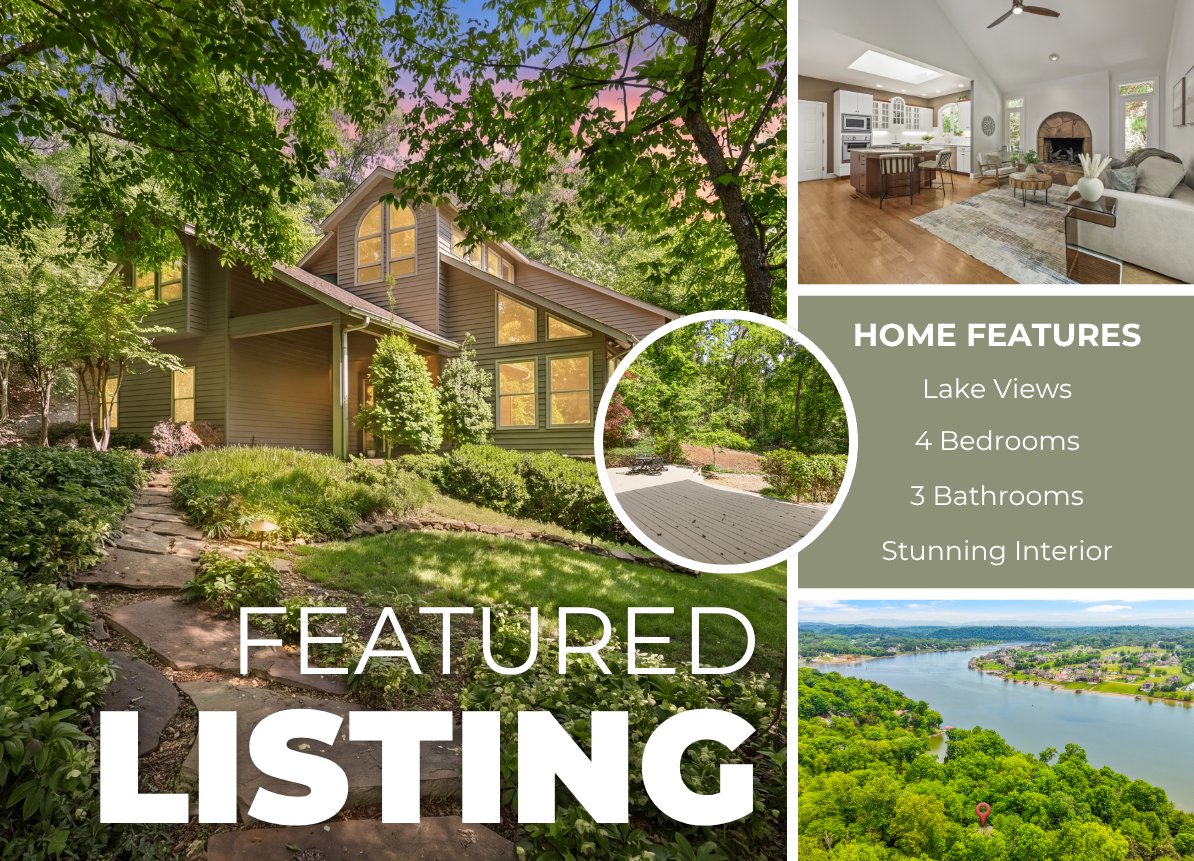
Stunning Lake View Property
Whether you're looking to buy, sell, or invest, her expertise and resources are here to help you achieve your goals. Connect with her today and discover how Krista can support you!